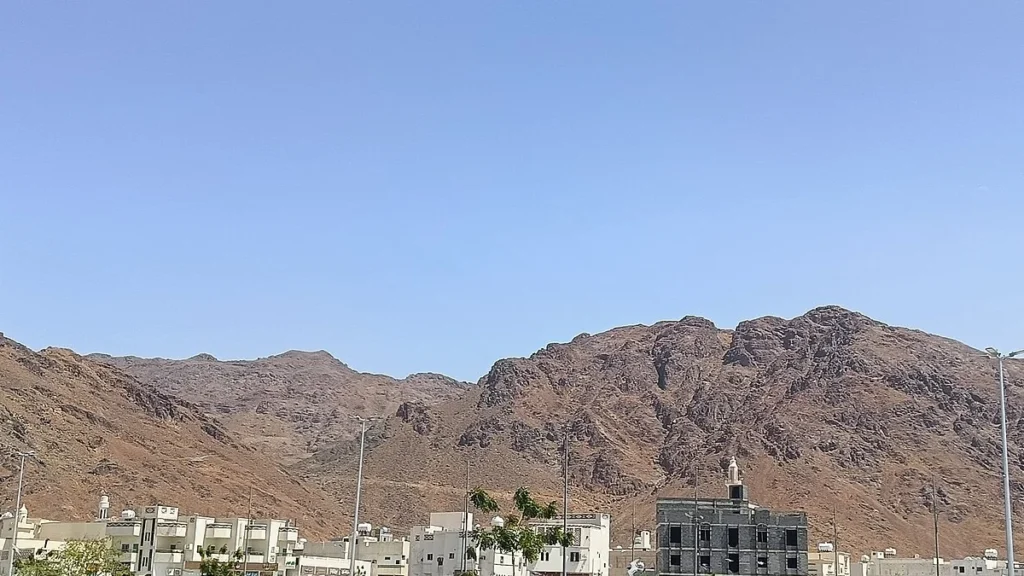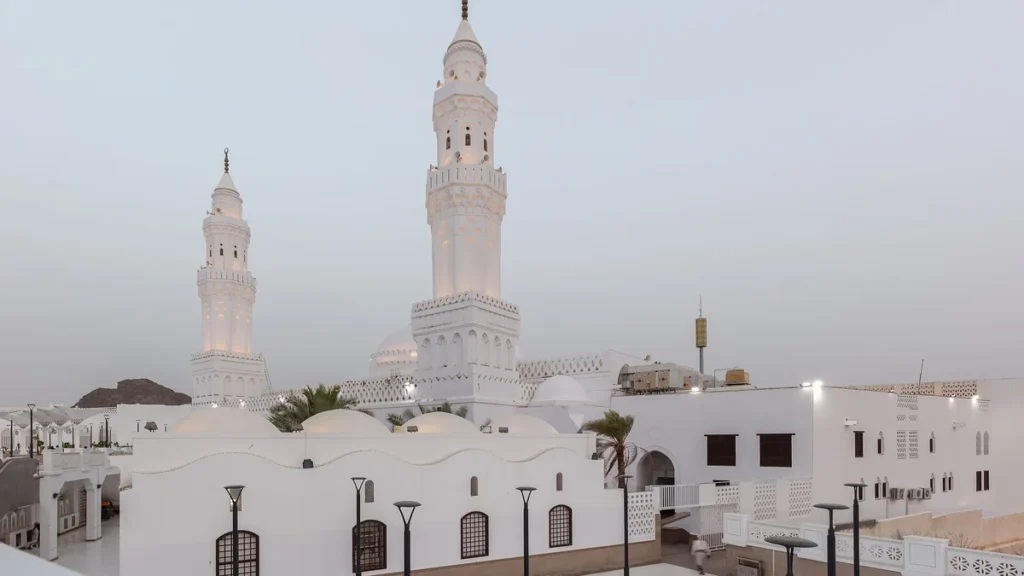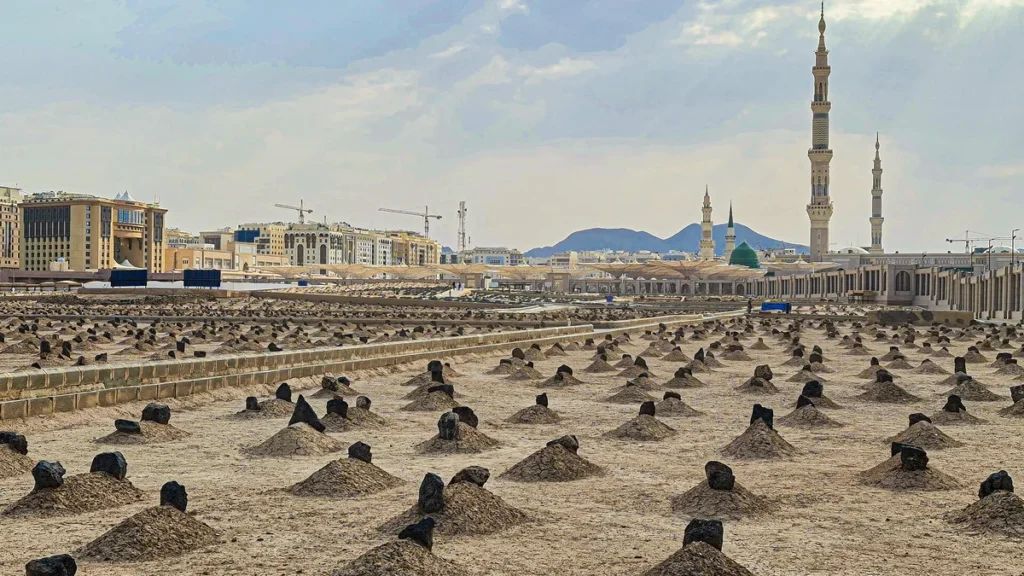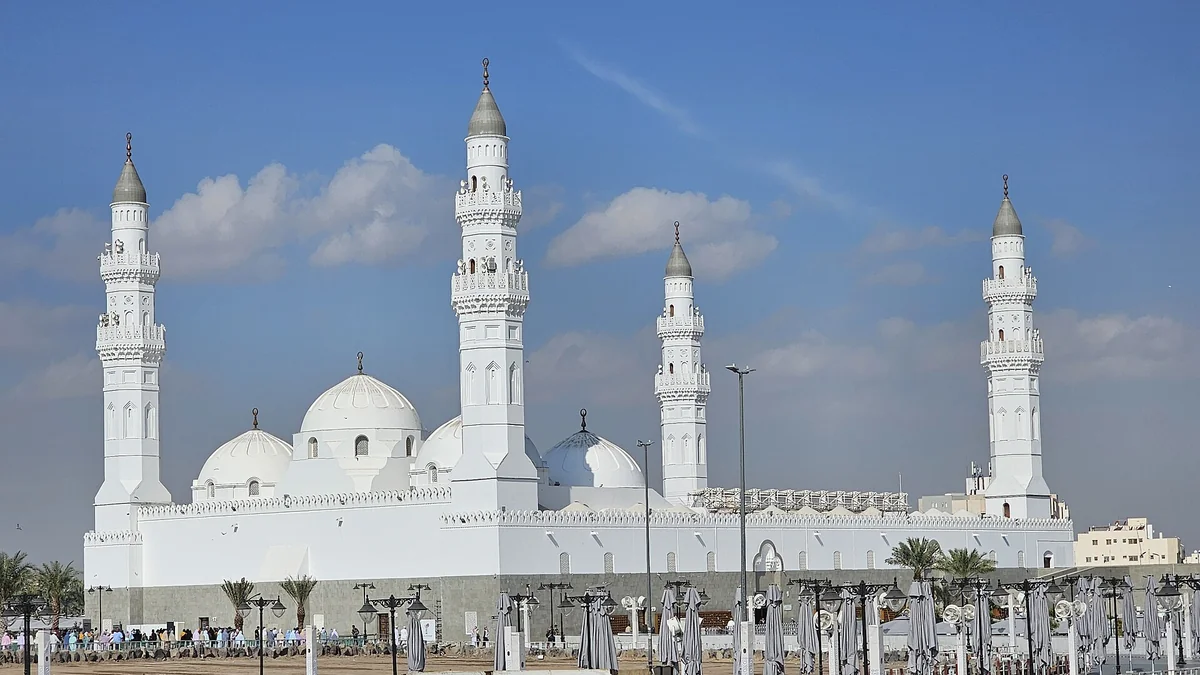
Masjid Quba, Saudi Arabia, is the first mosque of Islam. Founded in 622 on the south-west edge of Madinah, it stands about 3.5 km from the Prophet’s Mosque, and a hadith graded Hasan links one prayer there, after wudu at home, to the reward of an Umrah.
This guide covers the mosque’s history, the hadith on its virtue, how it has grown, and how to fit a visit into your days in Madinah.
Key takeaways
- The first mosque: built when the Prophet ﷺ reached Quba on the Hijrah, in 622.
- Like an Umrah: make wudu where you are staying, then pray in Masjid Quba (Ibn Majah 1412, graded Hasan).
- Every Saturday: the Prophet ﷺ visited Quba, walking or riding.
- Getting there: about 3.5 km from Masjid Nabawi, with a 3 km walkway between them.
What is Masjid Quba?
Masjid Quba is the mosque the Prophet ﷺ established when he arrived at Quba on the Hijrah from Makkah. He stayed with the clan of Bani ‘Amr bin ‘Auf for ten nights, founded the mosque and prayed in it, then rode on to the place where his own mosque in Madinah was built (Sahih al-Bukhari 3906).
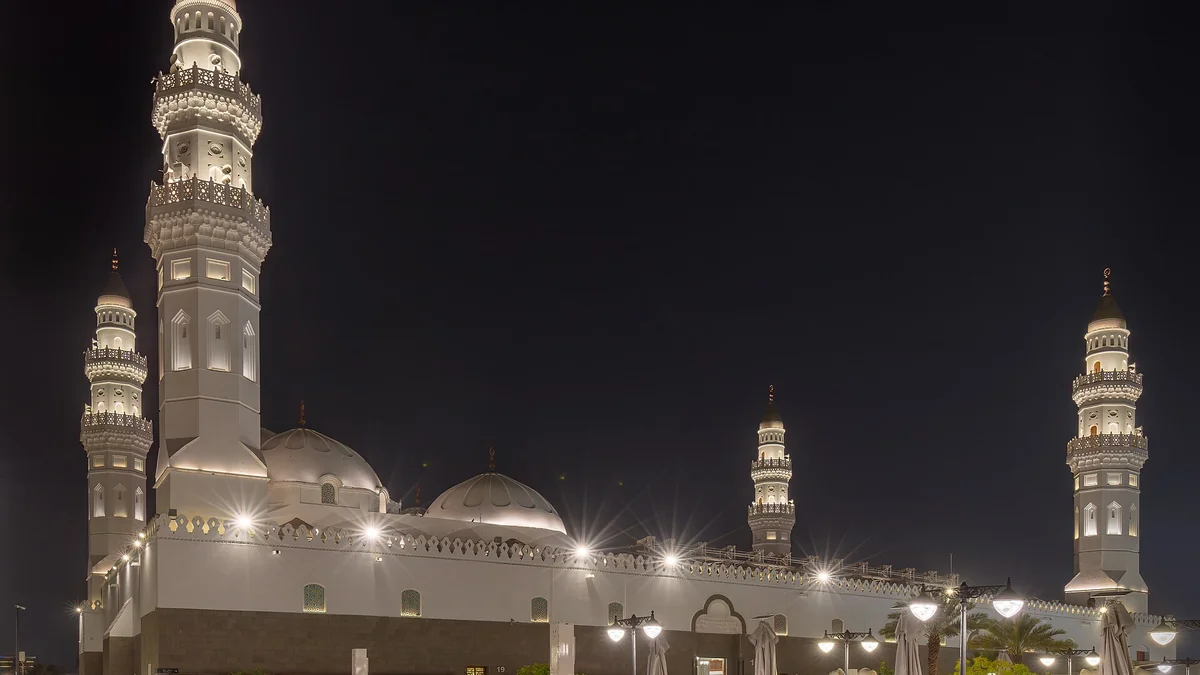
Saudipedia records that the mosque takes its name from the Quba well that stood there, and was once also known as the Bani Auf Mosque. Masjid Quba in Madinah stands on the Hijra Road, which links Madinah with Makkah, about 3.5 km from the Prophet’s Mosque. The site was known in ancient times as the village of Quba, with gardens and palm trees, two or three miles from Madinah. Some visitors spell it Masjid al Quba or Masjid e Quba; it is the same mosque.
To read about the Prophet’s own mosque, see our Masjid Nabawi visitor’s guide.
Is praying in Masjid Quba like Umrah?
Yes, according to a hadith graded Hasan. Sahl bin Hunaif reported that the Prophet ﷺ said: “Whoever purifies himself in his house, then comes to the Quba’ Mosque and offers one prayer therein, will have a reward like that for ‘Umrah” (Sunan Ibn Majah 1412, graded Hasan by Darussalam).
Two other reports carry the same meaning: “Whoever goes out to his Masjid – the Masjid of Quba’ and prays therein, that will be equivalent to ‘Umrah” (Sunan an-Nasa’i 699, Hasan), and “The Salat in Masjid Quba is like Umrah” (Jami’ at-Tirmidhi 324, Hasan). The reward is like that of an Umrah; it does not replace the Umrah itself.
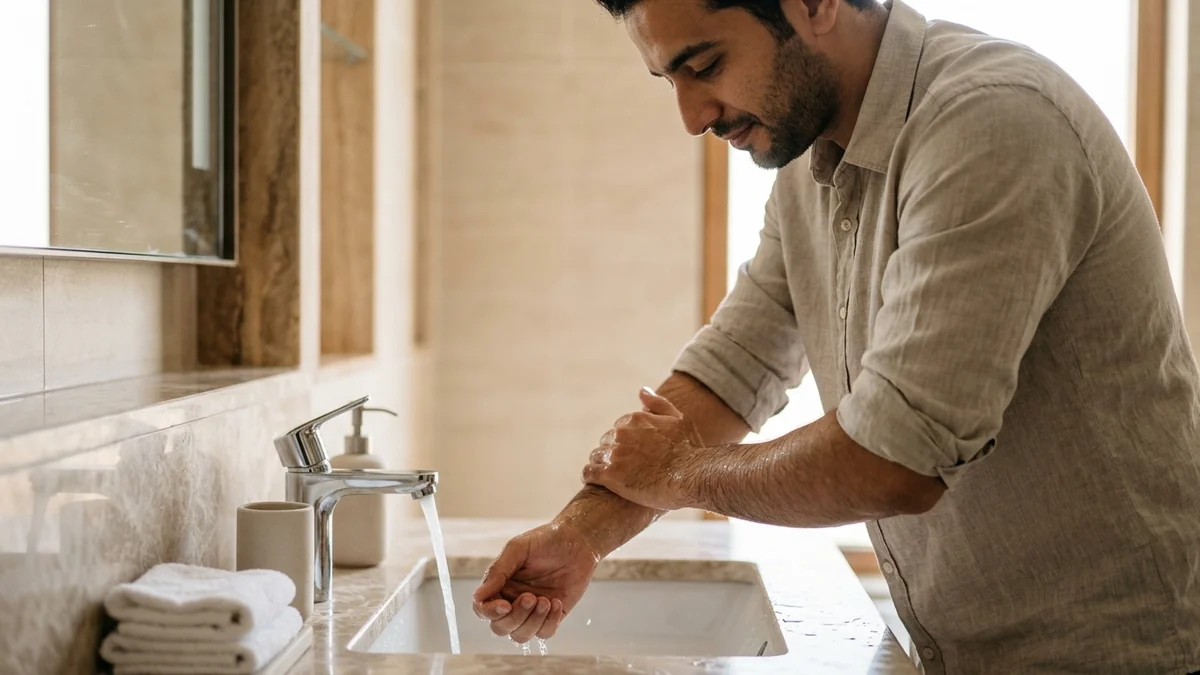
The Prophet ﷺ kept up the visit himself. Ibn Umar said that he “used to go to the Mosque of Quba every Saturday (sometimes) walking and (sometimes) riding”, and Ibn Umar did the same (Sahih al-Bukhari 1193). Another narration adds that he would pray two rak’ahs there (Sahih al-Bukhari 1194; see also Sahih Muslim 1399a).
For the rites of the Umrah itself, see how to perform Umrah.
Masjid Quba and Quran 9:108
The Quran speaks of “a mosque founded on righteousness from the first day”, and adds: “In it are men who love to be purified. And Allah loves those who purify themselves” (Quran 9:108, The Clear Quran).
Abu Hurayrah reported that the words “In it are men who love to be purified” were revealed about the people of Quba, who cleaned themselves with water (Sunan Abi Dawud 44, graded Sahih by Al-Albani). When Abu Sa’id al-Khudri asked the Prophet ﷺ which mosque was founded on piety, he pointed to his mosque in Madinah: “This is the very mosque of yours” (Sahih Muslim 1398).
Scholars have discussed both reports. We give them side by side without a ruling.
History and expansions
The first building was put up by the Prophet ﷺ and his Companions. Rulers and benefactors have repaired and enlarged it ever since. These are the main stages, as the official Saudi sources give them:
| Year | What happened | Source |
|---|---|---|
| 622 | Founded by the Prophet ﷺ on his arrival in Madinah | Saudipedia |
| Rashidun era | Refurbished by Uthman ibn Affan | Saudipedia |
| 705–712 | Umar ibn Abd al-Aziz added buildings and the first minaret | Saudipedia |
| 1044 to 1830 | Repeated renovations, including in 1044, 1161 and 1830 | Saudipedia |
| 1932 | King Abdulaziz ordered a straight road to the Prophet’s Mosque | Saudipedia |
| 1968 | Outer walls renovated and extended to the north under King Faisal | Saudipedia timeline |
| Mid-1980s | Rebuilt and enlarged under King Fahd, from about 1,600 to 13,500 square metres, keeping its historic design | Saudipedia |
| 8 April 2022 | King Salman expansion announced: 50,000 square metres and room for 66,000 worshippers | Saudi Press Agency |
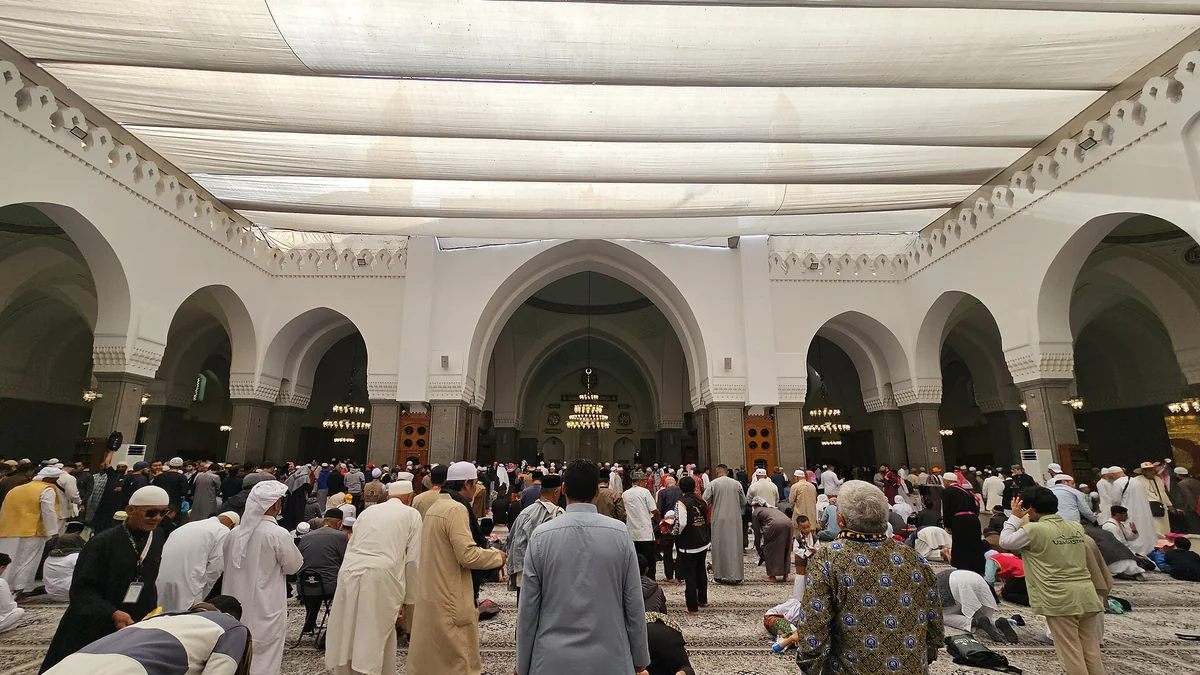
The King Salman project is the largest expansion in the mosque’s history: ten times its earlier area. It also covers 57 historical sites around the mosque, including wells and gardens (Saudipedia timeline).
Inside Masjid Quba today
Masjid Quba is the second-largest mosque in Madinah after the Prophet’s Mosque. Saudipedia gives these figures: room for 20,000 worshippers, a site of 13,500 square metres and a prayer hall of 5,035 square metres, with four minarets and 62 domes.
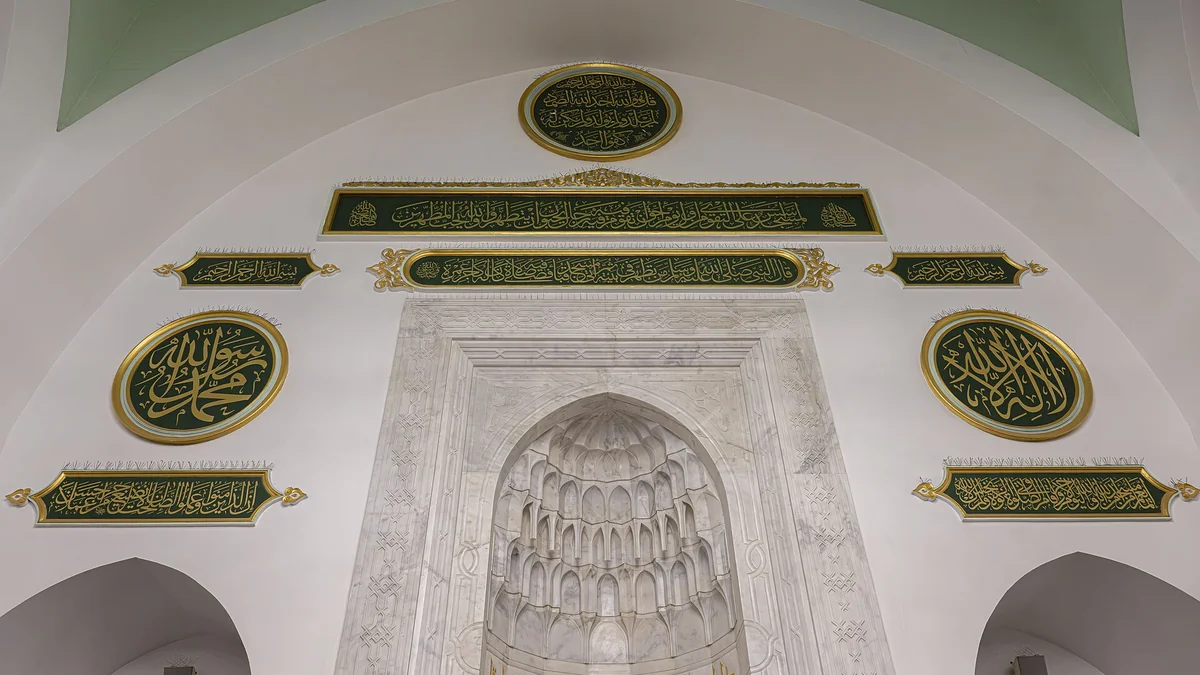
The mosque has two floors, an inner courtyard and separate sections for men and women. It also houses a library and rooms for its imams and muezzins.
The building
The Saudi rebuild kept the old design. There are seven main entrances and twelve smaller ones, and two courtyards, north and south, joined by long corridors on the east and west sides. The roof carries six large domes, each 12 metres across, and 56 smaller domes of 6 metres (Saudipedia).
The courtyard floor is laid with heat-reflective marble and shaded by retractable canopies. All five daily prayers are held at Masjid Quba, as well as Friday prayer and both Eid prayers.
Its imams
Saudipedia lists among its early imams Salim, the freed slave of Abu Hudhaifah, and Mu’adh ibn Jabal, who led prayers there in the time of the Prophet ﷺ and the Rashidun caliphs.
How to visit Masjid Quba from Masjid Nabawi
Masjid Quba is about 3.5 km south-west of the Prophet’s Mosque. A 3 km pedestrian walkway, the Quba Front, runs from Quba Mosque towards the Prophet’s Mosque, with facilities for pedestrians and shops along the way (Saudipedia).
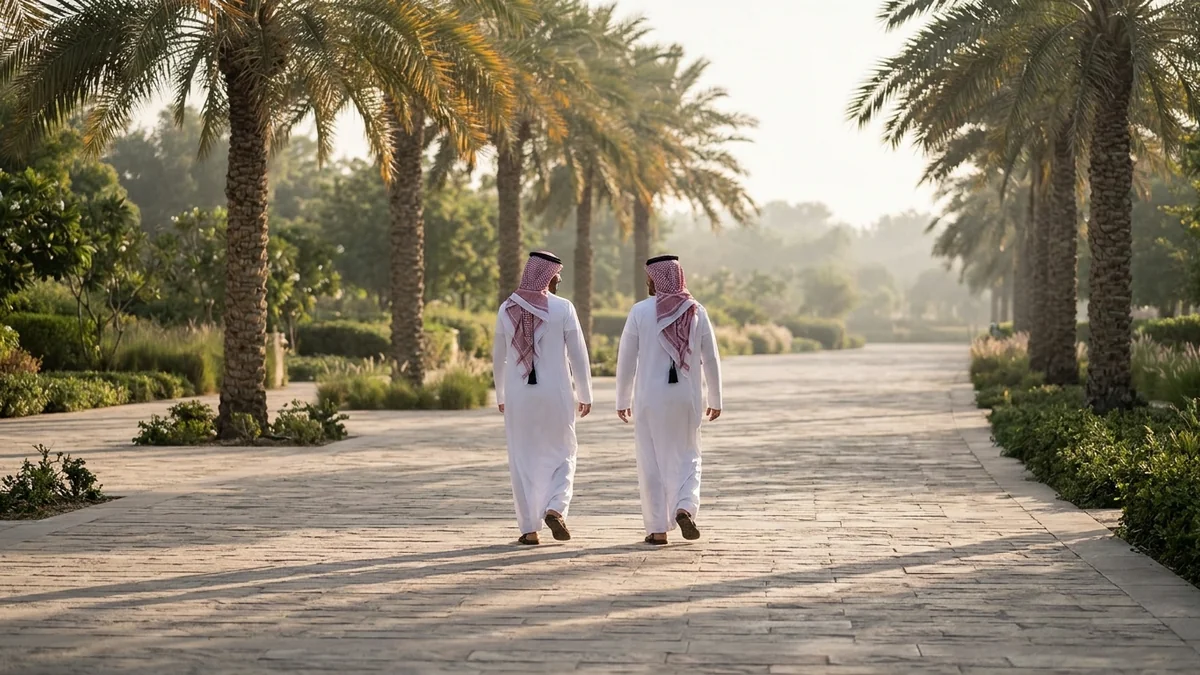
- Make wudu before you leave. The hadith speaks of purifying yourself at home, so make wudu at your hotel first.
- Go on a Saturday if you can, following the Prophet’s ﷺ practice, but any day is fine.
- Pray two rak’ahs when you arrive.
- See al-Jumuah Mosque nearby. About 900 metres north of Quba, it marks where the Prophet ﷺ prayed his first Friday prayer in Madinah (Saudipedia).
- Ghars Well is about 1,500 metres north-east of Quba, a well of basalt stone that Saudipedia lists among the area’s historic landmarks.
Guided ziyarat is included in our Umrah packages, and your written quote lists the sites. Every package has a group guide or scholar who helps with the rites. The people of Quba were among those who turned towards the Kaaba when the qiblah changed; our guide to Masjid al-Qiblatain tells that story.
Questions about Masjid Quba
How far is Masjid Quba from Masjid Nabawi?
About 3.5 km. Masjid Quba lies to the south-west of the Prophet’s Mosque, on the Hijra Road that links Madinah and Makkah (Saudipedia).
Can you walk from Masjid Nabawi to Quba?
Yes. The Quba Front project created a 3 km pedestrian walkway from Quba Mosque towards the Prophet’s Mosque, with facilities along the route. Older or less mobile pilgrims may prefer a car or the group transfer.
Which day did the Prophet ﷺ visit Quba?
Saturday. Ibn Umar reported that the Prophet ﷺ made the visit each Saturday, on foot or riding (Sahih al-Bukhari 1193). A visit on any other day is still rewarded.
Is Quba the mosque “founded on piety”?
There are two reports. Sunan Abi Dawud 44 links “men who love to be purified” in Quran 9:108 to the people of Quba; in Sahih Muslim 1398 the Prophet ﷺ names his mosque in Madinah. Scholars discuss both.
Is a visit to Quba included in your packages?
Guided ziyarat is included in our Umrah packages, and your written quote lists the sites it covers. You can also visit Quba on your own during your Madinah nights.
Your next step
Masjid Quba is a short trip from the Prophet’s Mosque, and the reward of a prayer there makes it worth planning. Make wudu at your hotel, pray two rak’ahs, and if you can, go on a Saturday as the Prophet ﷺ did.
Planning your Umrah from the UK? Send us your dates and ask for a written quote on WhatsApp, with every cost itemised, or compare our Umrah packages first.
Reviewed by Babul Haram Travels team · editorial review 26 November 2026. Official pages checked on 26 November 2026. For a personal religious ruling, consult a qualified scholar.
Hadith from Sahih al-Bukhari and Sahih Muslim carry no separate grade on sunnah.com; the other hadith show the grade given there.
Photo sources: Location photographs are credited under each image and do not show our customers. Featured photo: Masjid Quba (photographed 2024), resized and cropped for this guide; photo by Kaliper1, CC BY-SA 4.0. The wudu and walkway pictures are illustrations made with AI.