This Umrah dua list brings together Arabic text, transliteration, English meanings and references in journey order. It covers leaving home in the UK, ihram, Tawaf, Zamzam, Sa’i and completion. You do not need a different fixed prayer for every step or circuit.
Each dua is shown in Arabic, simple transliteration and English. There is no single dua for Umrah that must be recited at every stage; this guide explains where no fixed Prophetic wording is established. In those moments, you may praise Allah, recite Quran and ask for what matters to you in a language you understand.
Save the printable pocket guide before you fly, and keep a separate personal list for your family, faith, health and future. Your phone or card is a prompt, not a test. Sincerity and attention matter more than rushing through words you do not understand.
Find the Dua for Your Stage
- Leaving home and boarding transport: the complete travel supplication, not only its opening verse.
- Entering ihram: intention and the Talbiyah.
- Entering the mosque: the established short supplication.
- Tawaf: takbir at the Black Stone and the dua between the two corners.
- Zamzam, Safa and Marwah, and completion: the journey-order reference and source notes.
- Printable downloads: save a copy before leaving the UK.
Seven circuits do not mean seven prescribed prayers. Keep your circuit count separate from your personal dua list. Missing a line in a booklet is not the same as missing a rite of Umrah.
Why Are Duas So Important During Umrah?
Dua is itself an act of worship. The Prophet Muhammad ﷺ said, “The supplication is worship,” as recorded in Jami’ at-Tirmidhi 3372.
Umrah also gives you unusual stretches of time away from ordinary routines. You are travelling, waiting, walking and standing in sacred places. A prepared list helps you use those moments with purpose rather than feeling that you have forgotten everything when emotion takes over.
A Hasan narration describes those performing Hajj and Umrah as a delegation to Allah who answer His call and ask Him. See Sunan Ibn Majah 2893.
This should fill you with hope, not make you treat acceptance as an automatic guarantee. Ask humbly, repent sincerely and trust Allah’s wisdom.
Before travelling from London, Manchester, Birmingham or elsewhere in the UK, write down names and needs. Include your parents, family, the wider Ummah and your own guidance. Leave space for the prayers that arise naturally when you see the Kaaba.
Preparing an Umrah dua list is not about building a long script that you must finish. It gives you a few reliable starting points when you are tired, emotional or unsure what comes next. Keep the established words separate from your personal notes so you do not accidentally describe your own prayer as a hadith.
You can return to a short supplication many times. There is no prize for speed, and another pilgrim’s longer Arabic recitation does not make your sincere request in English less meaningful.
Duas for Umrah Before Leaving Home
The first words in this Umrah dua list belong before the airport. Say the established dua when leaving home, then read the travel supplication after boarding your car, coach or aircraft.
Dua for Leaving the House
بِسْمِ اللَّهِ، تَوَكَّلْتُ عَلَى اللَّهِ، لَا حَوْلَ وَلَا قُوَّةَ إِلَّا بِاللَّهِ
Transliteration: Bismillahi, tawakkaltu ‘alallah, la hawla wa la quwwata illa billah.
Meaning: In the name of Allah, I place my trust in Allah. There is no might and no power except through Allah.
Reference: Sunan Abi Dawud 5095, graded Sahih.
The narration says that the person who leaves with these words is guided, defended and protected. Read it as you leave your home, then continue with the practical checks that protect your journey: passport, documents, medication and flight details.
Dua for Boarding and Travel
اللَّهُ أَكْبَرُ، اللَّهُ أَكْبَرُ، اللَّهُ أَكْبَرُ. سُبْحَانَ الَّذِي سَخَّرَ لَنَا هَذَا وَمَا كُنَّا لَهُ مُقْرِنِينَ، وَإِنَّا إِلَى رَبِّنَا لَمُنْقَلِبُونَ. اللَّهُمَّ إِنَّا نَسْأَلُكَ فِي سَفَرِنَا هَذَا الْبِرَّ وَالتَّقْوَى، وَمِنَ الْعَمَلِ مَا تَرْضَى. اللَّهُمَّ هَوِّنْ عَلَيْنَا سَفَرَنَا هَذَا وَاطْوِ عَنَّا بُعْدَهُ. اللَّهُمَّ أَنْتَ الصَّاحِبُ فِي السَّفَرِ، وَالْخَلِيفَةُ فِي الْأَهْلِ. اللَّهُمَّ إِنِّي أَعُوذُ بِكَ مِنْ وَعْثَاءِ السَّفَرِ، وَكَآبَةِ الْمَنْظَرِ، وَسُوءِ الْمُنْقَلَبِ فِي الْمَالِ وَالْأَهْلِ
Transliteration: Allahu akbar, Allahu akbar, Allahu akbar. Subhanalladhi sakhkhara lana hadha wa ma kunna lahu muqrinin, wa inna ila Rabbina lamunqalibun. Allahumma inna nas’aluka fi safarina hadha al-birra wat-taqwa, wa minal-‘amali ma tarda.
Allahumma hawwin ‘alayna safarana hadha watwi ‘anna bu’dah. Allahumma Antas-sahibu fis-safar, wal-khalifatu fil-ahl. Allahumma inni a’udhu bika min wa’tha’is-safar, wa ka’abatil-manzar, wa su’il-munqalabi fil-mali wal-ahl.
Meaning: Allah is the Greatest. Glory be to the One Who has placed this transport at our service, though we could not have controlled it ourselves, and to our Lord we will return. O Allah, we ask You on this journey for goodness, mindfulness of You and deeds that please You.
Make this journey easy and shorten its distance. You are the Companion on the journey and the Guardian of the family. I seek Your protection from the hardship of travel, a distressing sight and a bad return in wealth or family.
References: Quran 43:13-14 and Sahih Muslim 1342.
You can read this once settled on the plane. If the cabin is busy, read from your phone quietly and focus on the meaning.
Dua for Entering the State of Ihram
Ihram begins with your intention and entry into the rite, not merely by putting on the two cloths. There is no need to invent a long spoken “niyyah formula”. Know in your heart that you are performing Umrah and begin the Talbiyah.
Declaring Umrah
لَبَّيْكَ عُمْرَةً
Transliteration: Labbayka ‘umratan.
Meaning: Here I am for Umrah.
Reference and status: The importance of intention is established in Sahih al-Bukhari 1. This short declaration identifies the rite; it is not presented here as a compulsory formula quoted from that narration.
Pilgrims sometimes call this the Umrah niyat dua. Niyyah means intention, and it remains an action of the heart rather than a long formula to repeat. The words above are a concise declaration of the rite you are entering.
The Talbiyah with Meaning
لَبَّيْكَ اللَّهُمَّ لَبَّيْكَ، لَبَّيْكَ لَا شَرِيكَ لَكَ لَبَّيْكَ، إِنَّ الْحَمْدَ وَالنِّعْمَةَ لَكَ وَالْمُلْكَ، لَا شَرِيكَ لَكَ
Transliteration: Labbayka Allahumma labbayk. Labbayka la sharika laka labbayk. Innal-hamda wan-ni’mata laka wal-mulk, la sharika lak.
Meaning: Here I am, O Allah, here I am. Here I am; You have no partner, here I am.
All praise, blessing and sovereignty belong to You. You have no partner.
Reference: Sahih al-Bukhari 1549.
When Should You Begin the Talbiyah on a UK Flight?
Prepare before the aircraft crosses the miqat. On direct or connecting journeys from the UK to Jeddah, the crossing happens before landing, not after you reach the airport.
Cabin announcements are helpful, but do not depend on hearing one. Change into ihram in advance where needed, ask your group leader or airline about the route, and begin the rite before the miqat is crossed. Men generally raise their voices with the Talbiyah; women recite audibly to themselves without raising their voices around unrelated men.
Continue the Talbiyah during the journey and stop when you begin Tawaf.
Keep your Umrah dua list where you can reach it without opening a suitcase. If your itinerary starts in Madinah, the preparation for Umrah occurs when you later travel towards Makkah, not automatically on the flight to Madinah. Confirm your route with your operator before deciding when to change and make the intention.
A delayed bag should not prevent you from preparing. Carry the essentials with you and read our ihram rules guide for the distinction between clothing, intention and restrictions.
Dua When Entering Masjid al-Haram
Masjid al-Haram follows the established etiquette for entering any mosque. Enter with your right foot and ask Allah to open the doors of His mercy.
اللَّهُمَّ افْتَحْ لِي أَبْوَابَ رَحْمَتِكَ
Transliteration: Allahumma-ftah li abwaba rahmatik.
Meaning: O Allah, open for me the doors of Your mercy.
Reference: Sahih Muslim 713a.
Move calmly and follow the signs and crowd instructions. Do not stop suddenly in a busy walkway to read from your phone.
The same short supplication applies whichever authorised entrance you use. A particular gate name is not a condition of entering correctly. If your group is moving, read quietly while continuing safely, then find space to settle your belongings before beginning Tawaf.
You may keep the Arabic and meaning together on one small card. That is easier to use in a crowd than searching through a long message thread.
What Dua Should You Read When You First See the Kaaba?
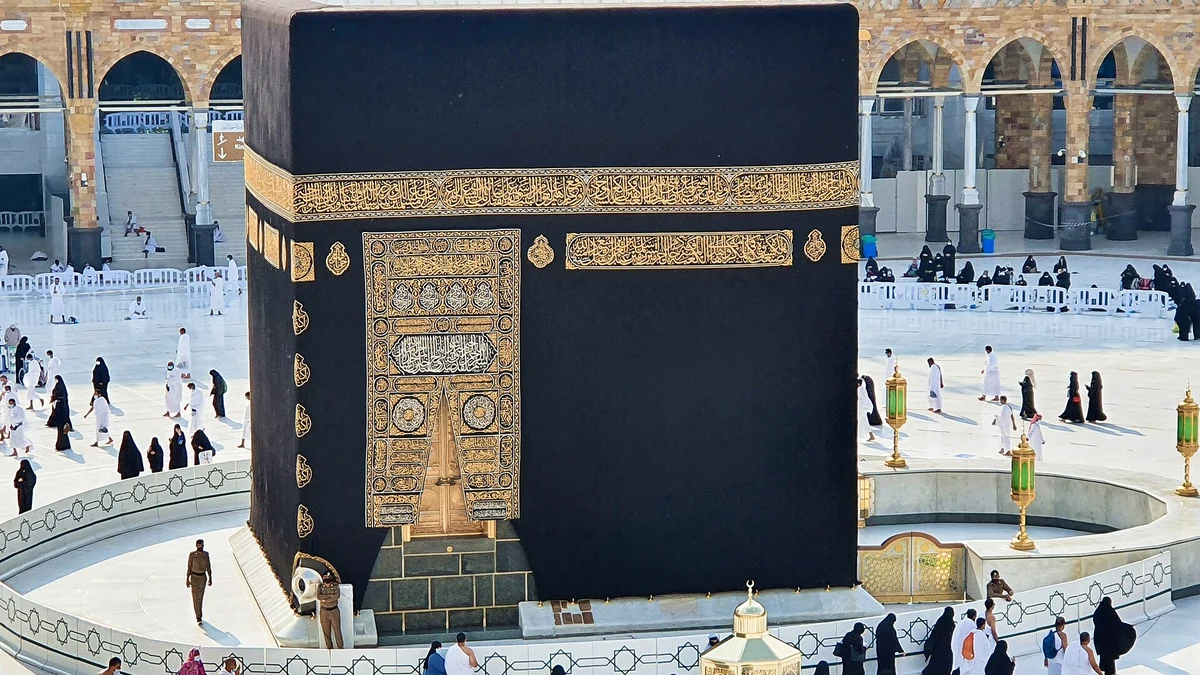
There is no single authenticated Prophetic dua prescribed specifically for the first sight of the Kaaba. You may say Allahu Akbar, praise Allah and make personal dua, but you should not present one popular formula as compulsory Sunnah.
This is often an emotional moment. Pause only where it is safe, avoid blocking other pilgrims and ask Allah for acceptance, forgiveness and steadfastness. You can speak in English or another language you understand.
A simple personal prayer might be: “O Allah, thank You for bringing me to Your Sacred House. Accept my Umrah, forgive me and guide me to worship You well.” This is a personal supplication, not a quotation from hadith.
You do not have to reproduce anyone else’s reaction. Some people cry, some feel quiet and some are concentrating on finding their group. None of those reactions alone measures whether the journey is accepted.
Use your own words and leave other pilgrims room to move. You may ask for guidance, repentance and good for your family without believing that a particular sentence is guaranteed to secure a particular outcome. The distinction matters: hope and sincere supplication are encouraged, but a travel guide should not invent promises about this exact moment.
Duas for Umrah During Tawaf
Tawaf consists of seven circuits, but there is no authenticated list assigning a different fixed dua to each circuit. This is one of the most important points in any reliable guide to duas for Umrah.
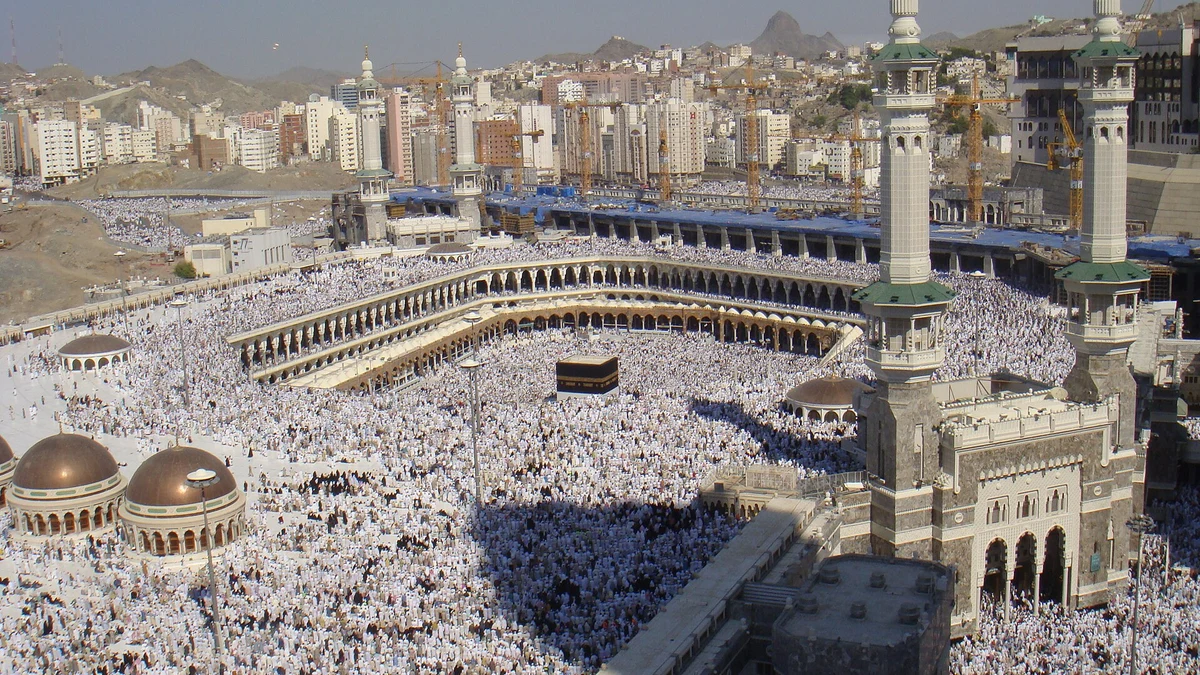
You may recite Quran, remember Allah and make personal supplication as you walk. Avoid trying to finish a long page before reaching a marker. The aim is attentive worship, not matching words to the speed of the crowd.
At the Black Stone at the Start of Each Circuit
اللَّهُ أَكْبَرُ
Transliteration: Allahu Akbar.
Meaning: Allah is the Greatest.
Reference: Ibn ‘Abbas reported that the Prophet ﷺ pointed towards the Black Stone and said the takbir. See Sahih al-Bukhari 1613.
If you cannot reach the Black Stone without pushing or harming someone, continue with the flow and gesture towards it. Protecting people takes priority over forcing your way forward.
Between the Yemeni Corner and the Black Stone
رَبَّنَا آتِنَا فِي الدُّنْيَا حَسَنَةً وَفِي الْآخِرَةِ حَسَنَةً وَقِنَا عَذَابَ النَّارِ
Transliteration: Rabbana atina fid-dunya hasanatan wa fil-akhirati hasanatan wa qina ‘adhaban-nar.
Meaning: Our Lord, grant us good in this world and good in the Hereafter, and protect us from the punishment of the Fire.
References: Quran 2:201 and Sunan Abi Dawud 1892, graded Hasan.
Can You Make Dua in English During Tawaf?
Yes. Outside formal salah, you may ask Allah for your needs in a language you understand. Use the established Arabic words where you know them, then make sincere personal dua in English, Urdu or another language.
Your Umrah dua list can help without becoming a round-by-round script. Mark the Black Stone takbir and the supplication between the two corners, then leave the remaining space open for Quran, remembrance and personal requests. Do not label your private choice for a circuit as a prescribed Sunnah for that numbered round.
If you are reading from a phone, look up often enough to follow the crowd and avoid colliding with someone. A companion can help with counting, but loudly leading everyone through a script may disturb nearby worshippers. Quiet recitation allows the people around you to concentrate too.
Missing a personal line on your card is not the same as missing a circuit of Tawaf. Keep the physical count separate from the words you hoped to read. For the movement, starting point and other rites, use our step-by-step Umrah guide alongside this reference.
| Location | What to say | Type |
|---|---|---|
| At the Black Stone | Allahu Akbar | Established Sunnah |
| Between the Yemeni Corner and Black Stone | Rabbana atina fid-dunya hasanatan… | Established Sunnah and Quran |
| Elsewhere in Tawaf | Quran, dhikr and personal dua | Open choice |
| Each numbered circuit | No separate fixed formula | Avoid invented assignments |
Still arranging your journey? Babul Haram Travels prepares written quotes for Umrah packages from the UK, including flights, named hotels, visa arrangements, transfers and guided ziyarat.
What Should You Do at Maqam Ibrahim After Tawaf?
After Tawaf, pray two rak’ahs if it is safe and practical, without obstructing the flow around Maqam Ibrahim. Allah says to take the standing place of Ibrahim as a place of prayer.
وَاتَّخِذُوا مِنْ مَقَامِ إِبْرَاهِيمَ مُصَلًّى
Transliteration: Wattakhidhu min maqami Ibrahima musalla.
Meaning: Take the standing-place of Abraham as a place of prayer.
References: Quran 2:125 and the description of the Prophet’s pilgrimage in Sahih Muslim 1218a.
The narration describes reciting Surah al-Kafirun and Surah al-Ikhlas in the two rak’ahs. There is no prescribed personal dua that you must say afterwards. Make space for others and pray elsewhere in the mosque when the area is crowded.
Do not create a barrier in the Tawaf route to obtain a particular position. If staff direct you to a safer prayer space, follow that direction. You can keep the verse and its meaning on your card, but complete the prayer attentively rather than treating it as another item to rush through.
Afterwards, gather your belongings and check where your group will meet. A clear meeting point helps you continue towards Zamzam and Sa’i without anxiety.
Dua for Drinking Zamzam Water
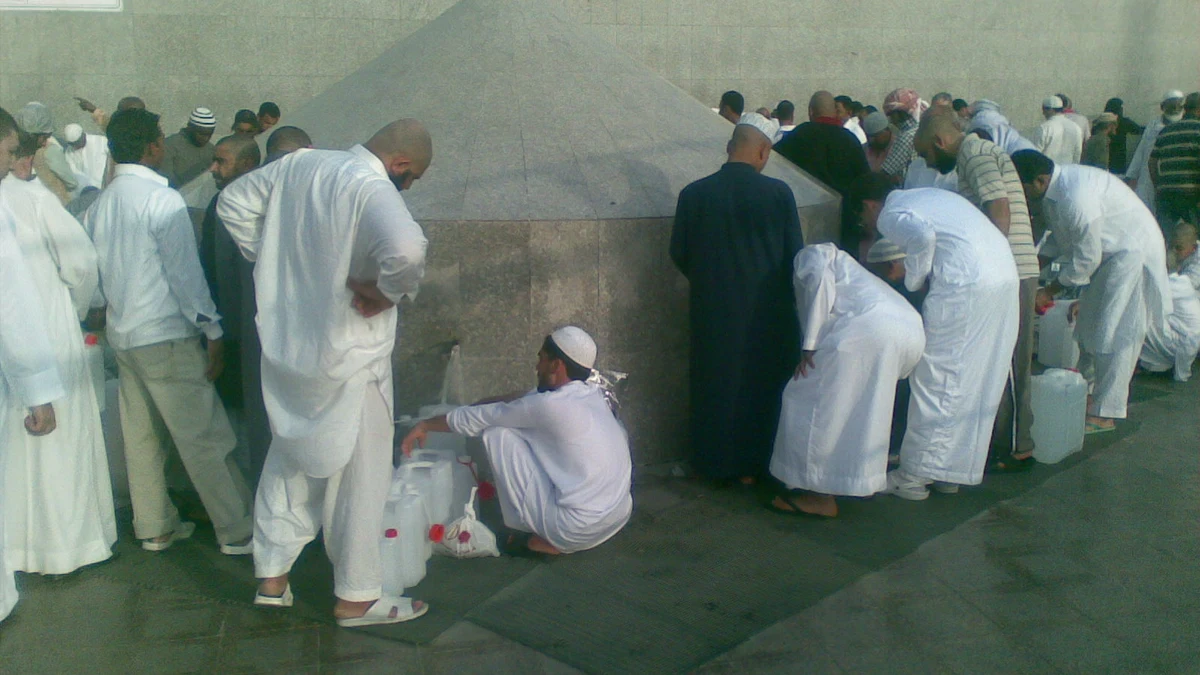
The authenticated Prophetic statement is that “the water of Zamzam is for whatever it is drunk for.” See Sunan Ibn Majah 3062. Form a good intention, say Bismillah, drink and ask Allah sincerely.
The following is an optional personal request for knowledge, provision and healing. This guide does not claim an independently verified attribution for this exact wording, and it must not be labelled a fixed Prophetic Zamzam dua.
اللَّهُمَّ إِنِّي أَسْأَلُكَ عِلْمًا نَافِعًا، وَرِزْقًا وَاسِعًا، وَشِفَاءً مِنْ كُلِّ دَاءٍ
Transliteration: Allahumma inni as’aluka ‘ilman nafi’an, wa rizqan wasi’an, wa shifa’an min kulli da’.
Meaning: O Allah, I ask You for beneficial knowledge, abundant provision and healing from every illness.
Reference and status: Ibn Majah 3062 concerns the intention in drinking Zamzam; it does not contain this wording. You may use the words above as a personal request, without attributing them here to a fixed Prophetic practice.
You may instead ask for a particular need: healing, beneficial knowledge, lawful provision, a stronger faith or help for someone you love.
The point is not to complete a special script before the cup is empty. Make your request sincerely and give the next person room at the dispenser. Where you drink and how you stand should not create an obstruction or become a reason to criticise another pilgrim.
Keep spiritual hope separate from medical claims: Zamzam is not a reason to stop prescribed treatment. Our Zamzam guide also explains the practical checks for bringing a sealed container home.
Duas for Sa’i Between Safa and Marwah
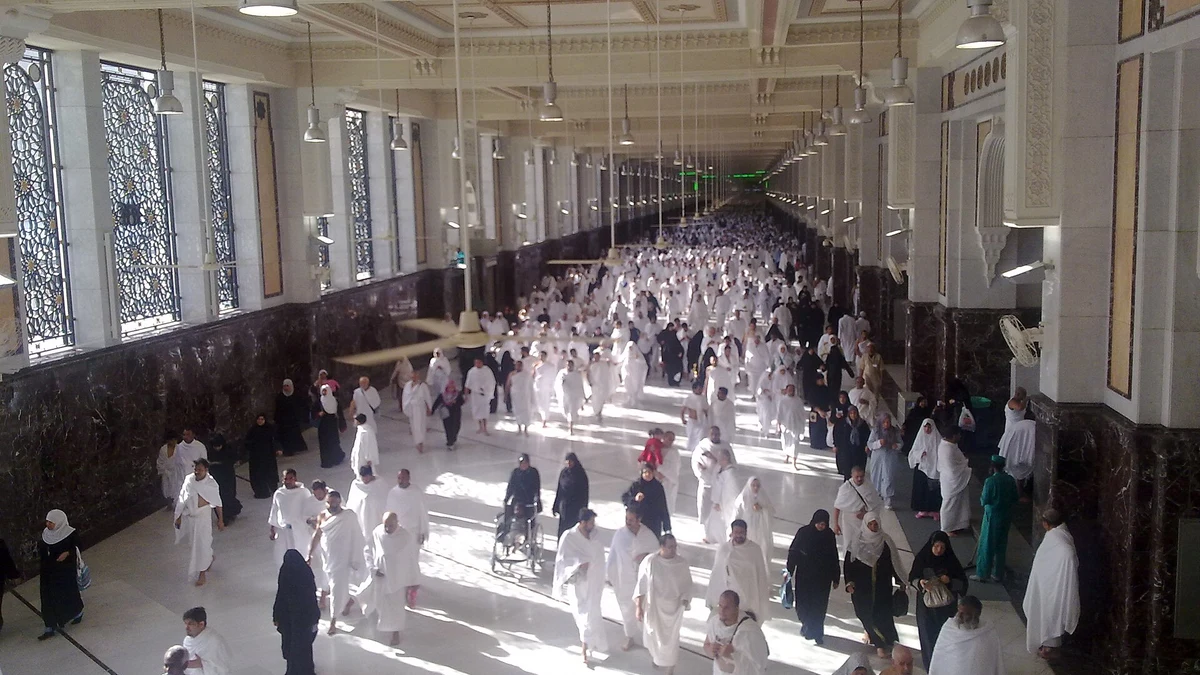
Sa’i is seven lengths, beginning at Safa and finishing at Marwah. The most detailed source for the recitations is Jabir’s account of the Prophet’s pilgrimage in Sahih Muslim 1218a.
What to Read When Approaching Safa
إِنَّ الصَّفَا وَالْمَرْوَةَ مِنْ شَعَائِرِ اللَّهِ
Transliteration: Innas-Safa wal-Marwata min sha’a’irillah.
Meaning: Indeed, Safa and Marwah are among the symbols of Allah.
Reference: Quran 2:158.
أَبْدَأُ بِمَا بَدَأَ اللَّهُ بِهِ
Transliteration: Abda’u bima bada’ Allahu bihi.
Meaning: I begin with what Allah began with.
Reference: Sahih Muslim 1218a, in Jabir’s account of approaching Safa.
Dhikr at Safa and Marwah
لَا إِلَهَ إِلَّا اللَّهُ وَحْدَهُ لَا شَرِيكَ لَهُ، لَهُ الْمُلْكُ وَلَهُ الْحَمْدُ وَهُوَ عَلَى كُلِّ شَيْءٍ قَدِيرٌ. لَا إِلَهَ إِلَّا اللَّهُ وَحْدَهُ، أَنْجَزَ وَعْدَهُ، وَنَصَرَ عَبْدَهُ، وَهَزَمَ الْأَحْزَابَ وَحْدَهُ
Transliteration: La ilaha illallahu wahdahu la sharika lah, lahul-mulku wa lahul-hamdu wa huwa ‘ala kulli shay’in qadir. La ilaha illallahu wahdah, anjaza wa’dah, wa nasara ‘abdah, wa hazamal-ahzaba wahdah.
Meaning: None has the right to be worshipped except Allah alone, with no partner. His is the sovereignty and praise, and He has power over everything.
None has the right to be worshipped except Allah alone. He fulfilled His promise, helped His servant and defeated the confederates alone.
Reference: Sahih Muslim 1218a.
Face the qiblah where possible, say this dhikr, make personal dua, then repeat that sequence three times. At Marwah, do as you did at Safa.
What to Say While Walking
There is no compulsory supplication for each length between Safa and Marwah. Use this time for personal dua, Quran and simple dhikr such as SubhanAllah, Alhamdulillah, Allahu Akbar and La ilaha illallah.
Count seven lengths, not fourteen: Safa to Marwah is one, and Marwah back to Safa is two. The seventh finishes at Marwah.
Keep the count somewhere separate from your Umrah dua list. One simple approach is to note the completed length at each end, then put the phone away while walking. Looking down continuously in a busy corridor makes it harder to give way to wheelchairs, families and people moving at a different pace.
The short Quranic phrase about Safa and Marwah is associated with first approaching Safa; it is not a separate compulsory script for every stretch of the corridor. At the ends, read the established remembrance and make personal dua as described in the narration. Between them, you are not obliged to find another fixed wording.
If you need rest or assistance, plan it without embarrassment. Following the route safely and completing the required lengths matters more than keeping pace with the quickest people nearby. Ask your religious guide about a particular interruption rather than inventing a new rule from someone else’s experience.
Is There a Dua After Completing Umrah?
There is no authenticated fixed dua that must be recited after completing Sa’i and cutting or shaving the hair. Thank Allah, ask Him to accept your worship and continue with any sincere prayer.
رَبَّنَا تَقَبَّلْ مِنَّا إِنَّكَ أَنْتَ السَّمِيعُ الْعَلِيمُ
Transliteration: Rabbana taqabbal minna innaka Antas-Sami’ul-‘Alim.
Meaning: Our Lord, accept from us. You are indeed the All-Hearing, All-Knowing.
Reference: Quran 2:127. This is a general Quranic dua for acceptance, not a formula assigned specifically to the end of Umrah.
Men complete Umrah by shaving or shortening the hair. Women trim a small amount from the ends. Once this is done, the restrictions of ihram end.
Do not confuse finishing the walk with completing the hair-cutting requirement. Keep the last practical step in mind before returning to ordinary clothes. If you are unsure what shortening requires in the school you follow, settle it with a qualified guide rather than cutting a token strand because someone beside you did so.
Your words of thanks can be brief. Continue asking for acceptance, and let considerate conduct remain part of the journey after the formal rites are over.
General Duas to Read at Any Time During Umrah
Your Umrah prayers do not have to be limited to ritual locations. The following Quranic and Prophetic duas can be read during Tawaf, Sa’i, quiet time in the mosque or anywhere else suitable.
Dua for Your Parents
رَبِّ ارْحَمْهُمَا كَمَا رَبَّيَانِي صَغِيرًا
Transliteration: Rabbir-hamhuma kama rabbayani saghira.
Meaning: My Lord, have mercy upon them as they raised me when I was small.
Reference: Quran 17:24.
A separate Quranic prayer asks forgiveness for yourself, your parents and believers. Keep it distinct from Quran 17:24 rather than merging the verses and attributing the combined wording to one verse.
رَبَّنَا اغْفِرْ لِي وَلِوَالِدَيَّ وَلِلْمُؤْمِنِينَ يَوْمَ يَقُومُ الْحِسَابُ
Transliteration: Rabbana-ghfir li wa liwalidayya wa lil-mu’minina yawma yaqumul-hisab.
Meaning: Our Lord, forgive me, my parents and the believers on the day the reckoning takes place.
Reference: Quran 14:41.
Sayyid al-Istighfar: A Comprehensive Prayer for Forgiveness
اللَّهُمَّ أَنْتَ رَبِّي لَا إِلَهَ إِلَّا أَنْتَ، خَلَقْتَنِي وَأَنَا عَبْدُكَ، وَأَنَا عَلَى عَهْدِكَ وَوَعْدِكَ مَا اسْتَطَعْتُ، أَعُوذُ بِكَ مِنْ شَرِّ مَا صَنَعْتُ، أَبُوءُ لَكَ بِنِعْمَتِكَ عَلَيَّ، وَأَبُوءُ لَكَ بِذَنْبِي، فَاغْفِرْ لِي، فَإِنَّهُ لَا يَغْفِرُ الذُّنُوبَ إِلَّا أَنْتَ
Transliteration: Allahumma Anta Rabbi la ilaha illa Anta, khalaqtani wa ana ‘abduka, wa ana ‘ala ‘ahdika wa wa’dika mastata’tu. A’udhu bika min sharri ma sana’tu. Abu’u laka bini’matika ‘alayya, wa abu’u laka bidhanbi, faghfir li, fa innahu la yaghfirudh-dhunuba illa Anta.
Meaning: O Allah, You are my Lord. None has the right to be worshipped except You. You created me and I am Your servant.
I remain faithful to Your covenant and promise as much as I can. I seek refuge in You from the evil of what I have done. I acknowledge Your blessing upon me and admit my sin, so forgive me, for none forgives sins except You.
Reference: Sahih al-Bukhari 6306.
Dua for Guidance
اللَّهُمَّ اهْدِنِي وَسَدِّدْنِي
Transliteration: Allahumma-hdini wa saddidni.
Meaning: O Allah, guide me and keep me on the straight course.
Reference: Sahih Muslim 2725a.
Personal Dua in Your Own Language
Write your own list before leaving the UK. Group it under faith, forgiveness, family, health, lawful provision, the Ummah and the Hereafter. Specific prompts are easier to remember than one long paragraph.
Allah knows every language and what is hidden in your heart. If Arabic is not your first language, do not let fear of imperfect pronunciation stop you from asking sincerely.
Complete Umrah Dua Summary
This step-by-step Umrah dua reference keeps the main established words in their correct places. Use it as a prompt, then read the detailed sections above for attribution and context.
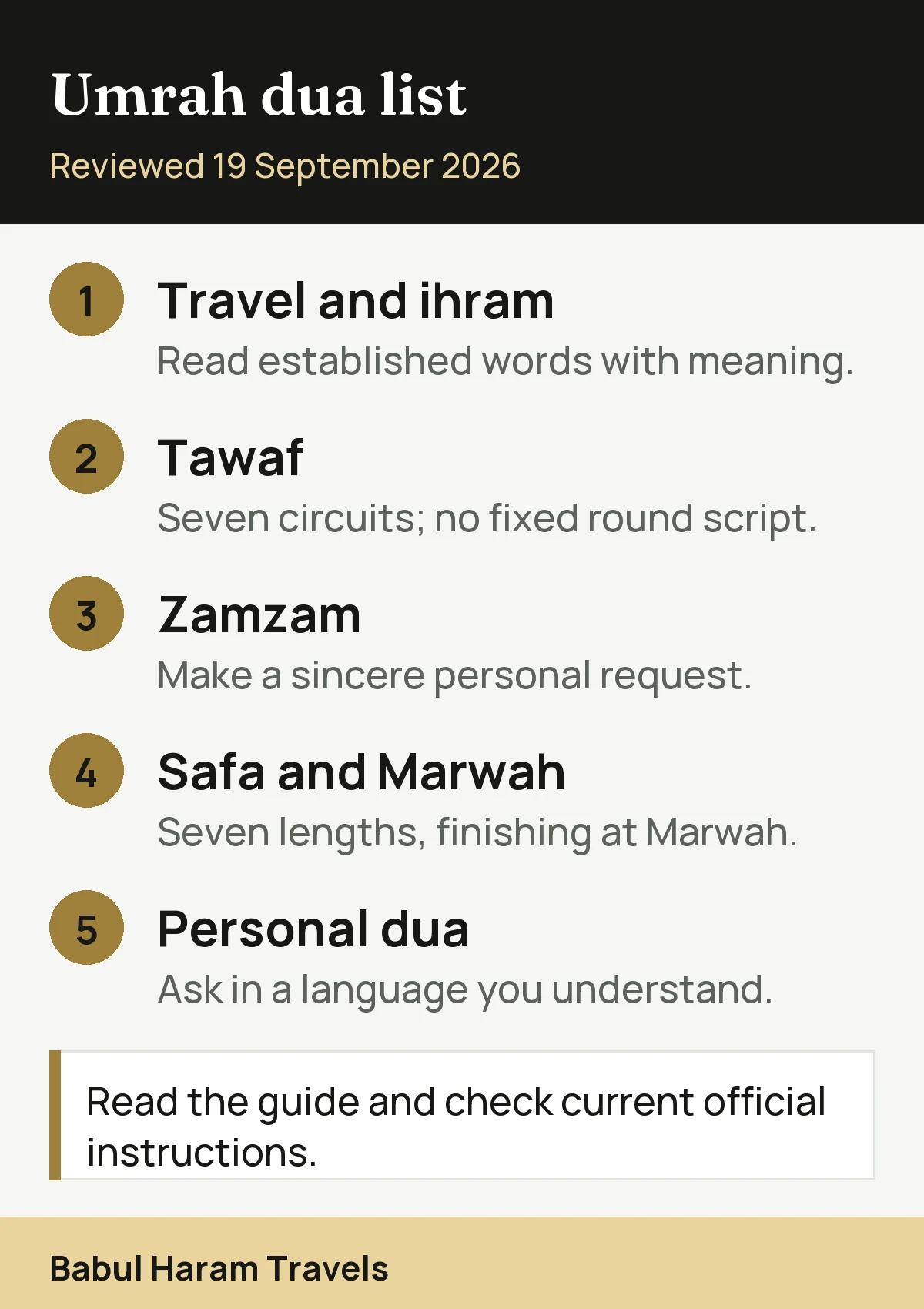
| Step | When | Dua or dhikr | Brief meaning | Reference |
|---|---|---|---|---|
| Leave home | As you go out | Bismillahi, tawakkaltu ‘alallah… | I trust in Allah | Abi Dawud 5095 |
| Travel | After boarding | Subhanalladhi sakhkhara lana… | Thanks and protection in travel | Muslim 1342 |
| Ihram | At or before crossing miqat | Labbayka Allahumma labbayk… | Answering Allah’s call | Bukhari 1549 |
| Enter mosque | Right foot first | Allahumma-ftah li abwaba rahmatik | Open the doors of mercy | Muslim 713a |
| Begin Tawaf | At the Black Stone | Allahu Akbar | Allah is the Greatest | Bukhari 1613 |
| Tawaf | Between the Yemeni Corner and Black Stone | Rabbana atina fid-dunya… | Good here and in the Hereafter | Quran 2:201; Abi Dawud 1892 |
| Maqam Ibrahim | After Tawaf | Two rak’ahs where practical | Prayer after Tawaf | Quran 2:125; Muslim 1218a |
| Zamzam | While drinking | Make a good intention and personal dua | Zamzam is for what it is drunk for | Ibn Majah 3062 |
| Safa and Marwah | At each end | La ilaha illallahu wahdahu… | Allah’s oneness, praise and victory | Muslim 1218a |
| Completion | After Sa’i and hair cutting | Personal thanks and dua for acceptance | No fixed completion formula | General dua |
Download the Free Printable Umrah Dua List PDF
Choose between two free A5 editions. The eight-page dua-only reference keeps Arabic, transliteration, English meanings and source notes together with minimal commentary; the full guide retains this article’s explanations, tables and practical advice.
Dua-Only Reference: Eight A5 Pages
Full Umrah Dua Guide
Download it before you travel so it remains available without mobile data. You can print it double-sided or save it to your phone. Keep the full article bookmarked for the explanations and source links.
The revised Umrah dua list booklet retains the full travel supplication and Sayyid al-Istighfar, not just their opening words. Check the September 2026 review date on the cover so you can identify this edition. Print a sample page first and choose a readable scale rather than shrinking the Arabic to fit more on one sheet.
Tips for Making Dua During Umrah for UK Pilgrims
Preparation helps you stay present when the journey becomes tiring or crowded. These seven practical steps are especially useful when travelling from the UK.
- Prepare two lists. Keep one short ritual reference and one private list of people and needs. This prevents practical prompts from overwhelming your personal dua.
- Learn the meaning first. Understanding a short established dua is better than racing through a page without attention.
- Prepare for miqat before landing. Whether you depart from Heathrow, Manchester Airport or Birmingham Airport, your aircraft will cross the miqat before reaching Jeddah. Do not wait until the terminal.
- Save an offline copy. Download the PDF and take screenshots of essential passages. Mobile signal and battery life are not guaranteed in a crowd.
- Carry a small power bank. Keep your phone charged, but do not let photography or notifications distract you from worship.
- Choose quieter moments. You do not need to force yourself close to the Kaaba or block a walkway. Make dua wherever you can worship safely and attentively.
- Leave room for spontaneous prayer. A list supports you, but your most honest dua may be the one you had not planned.
Babul Haram Travels recommends keeping travel documents and devotional notes in separate phone folders. That way you can reach your boarding pass quickly without losing the page you were reading.
Practise finding the right section of your Umrah dua list while you are still at home. On a phone, save the PDF in an offline folder and test it with mobile data switched off. On paper, mark the stages with small tabs rather than carrying loose sheets that are hard to hold in a crowd.
Agree how your family will stay together without requiring everyone to read identical words at identical times. One person can help with direction and counting while others make their own dua. Keep private names and sensitive family matters off a shared screen.
Finally, allow for tiredness. A short established prayer you understand is easier to read attentively after a flight than a long passage you first saw that morning. Preparation gives you options; it should not become a reason to judge your own worship or another pilgrim’s sincerity.
Frequently Asked Questions About Duas for Umrah
Can you make dua in English during Umrah?
Yes. During Tawaf, Sa’i and other moments outside formal salah, you may make personal dua in English or another language you understand. Use established Arabic wording where you know it, but do not let imperfect Arabic stop sincere supplication.
Keep the rules of formal prayer separate from personal supplication while walking or resting. Ask your religious guide about a specific prayer situation rather than assuming every setting has identical rules.
Do you have to memorise all duas for Umrah?
No. You may read from a phone or printed card. Learn the meaning of the main established phrases, keep your reference short and stay attentive to the worship and people around you.
Save the booklet offline before departure and practise finding the right stage. A readable prompt is more useful than memorising sounds you do not understand or trying to follow a crowded screen.
What is the most important dua during Umrah?
There is no single dua that replaces all others. The Talbiyah is central after entering ihram, while specific words are established at the Black Stone, between the Yemeni Corner and Black Stone, and at Safa and Marwah.
Learn those points in their proper order. Between them, use Quran, remembrance and sincere personal requests rather than believing every movement needs an additional fixed formula.
Are there specific duas for each round of Tawaf?
No authenticated Prophetic list assigns one dua to each of the seven circuits. You may recite Quran, remember Allah and make personal dua throughout Tawaf.
A personal list may help you remember people or needs, but do not label its seven entries as prescribed prayers for seven rounds. Keep your circuit count separate from your reading.
Are duas more likely to be accepted during Umrah?
A Hasan narration describes Hajj and Umrah pilgrims as a delegation to Allah who ask Him and receive from Him. Approach dua with hope, repentance and humility, without treating acceptance as an entitlement.
The report is linked above as Ibn Majah 2893. It should not be turned into a guarantee of a particular worldly outcome, or a reason to judge another pilgrim’s experience.
Can I make personal dua during Umrah?
Yes. Ask for forgiveness, guidance, family, health, lawful provision, the Ummah and the Hereafter. Personal dua can be made in words and a language you understand.
Prepare a few private prompts before leaving home, then allow space for needs you remember during the journey. Distinguish your own wording from any Quranic verse or hadith you quote.
Where can I download a free Umrah dua list PDF?
Use this guide’s download section for either the free eight-page dua-only reference or the full explanatory A5 guide from Babul Haram Travels. Both include Arabic, transliteration, English meanings and references in journey order.
The reviewed edition includes the complete travel supplication and Sayyid al-Istighfar. Test the saved file without mobile data and print a sample page to check that the Arabic remains comfortably readable.
What dua should I read before travelling for Umrah from the UK?
Read the established dua when leaving home, then the travel supplication after boarding. Prepare for ihram before your aircraft crosses the miqat and begin the Talbiyah in time.
Your route matters: a visit beginning in Madinah differs from travel directly towards Makkah. Confirm the itinerary and miqat arrangements before departure rather than relying on a single generic flight announcement.
Carry the Meaning, Not Just the List
You now have a complete guide to the main duas for Umrah, from leaving home and reciting the Talbiyah to Tawaf, Zamzam and Sa’i. The most important lesson is not that every movement needs a fixed script. It is that the established words should be understood, and the open moments should be filled with sincere remembrance and personal prayer.
Use the PDF as a calm prompt. Do not worry if you need to read from it, and do not measure your Umrah by perfect pronunciation. Ask Allah for acceptance, be considerate in the crowd and keep returning your attention to why you travelled.
When you are ready to plan the practical side, Babul Haram Travels can prepare a written quote with flights, named hotels, visa arrangements and transfers set out clearly. Contact our UK team about your Umrah dates.
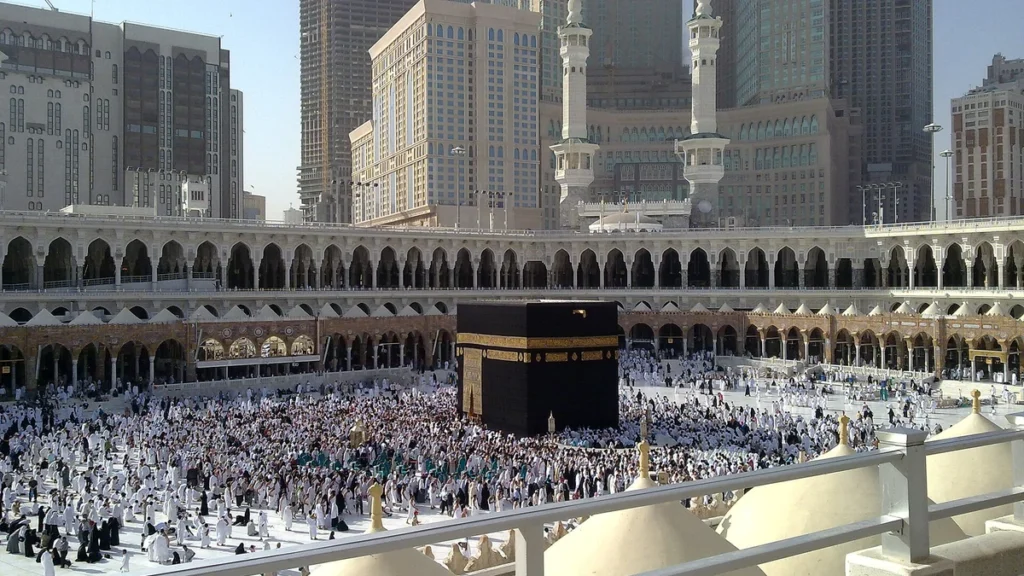
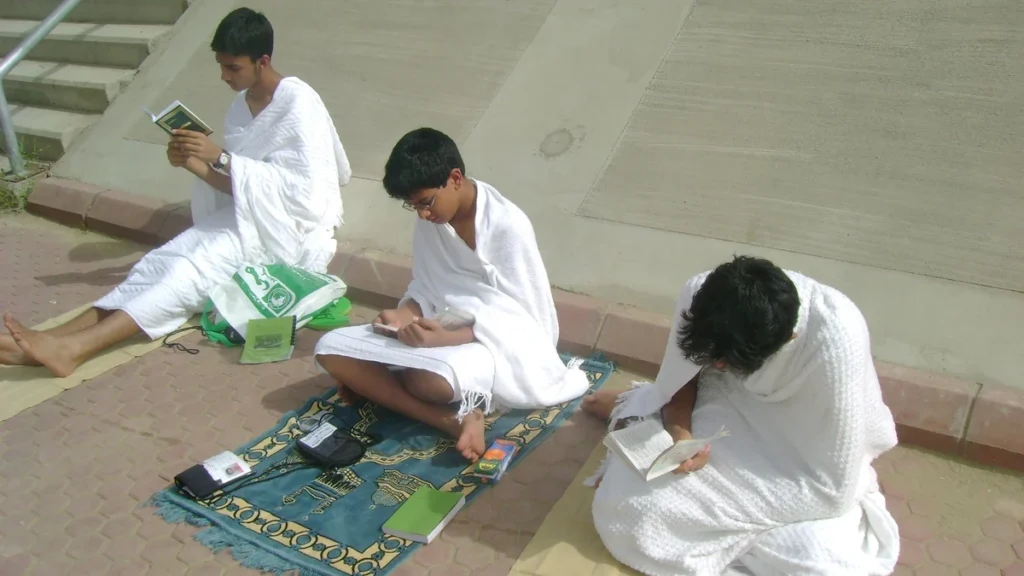
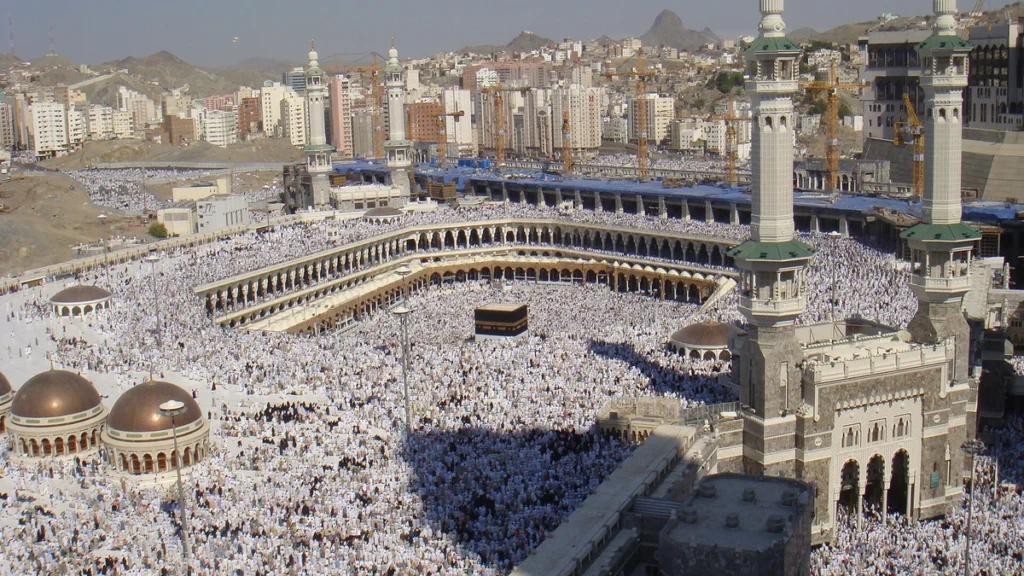
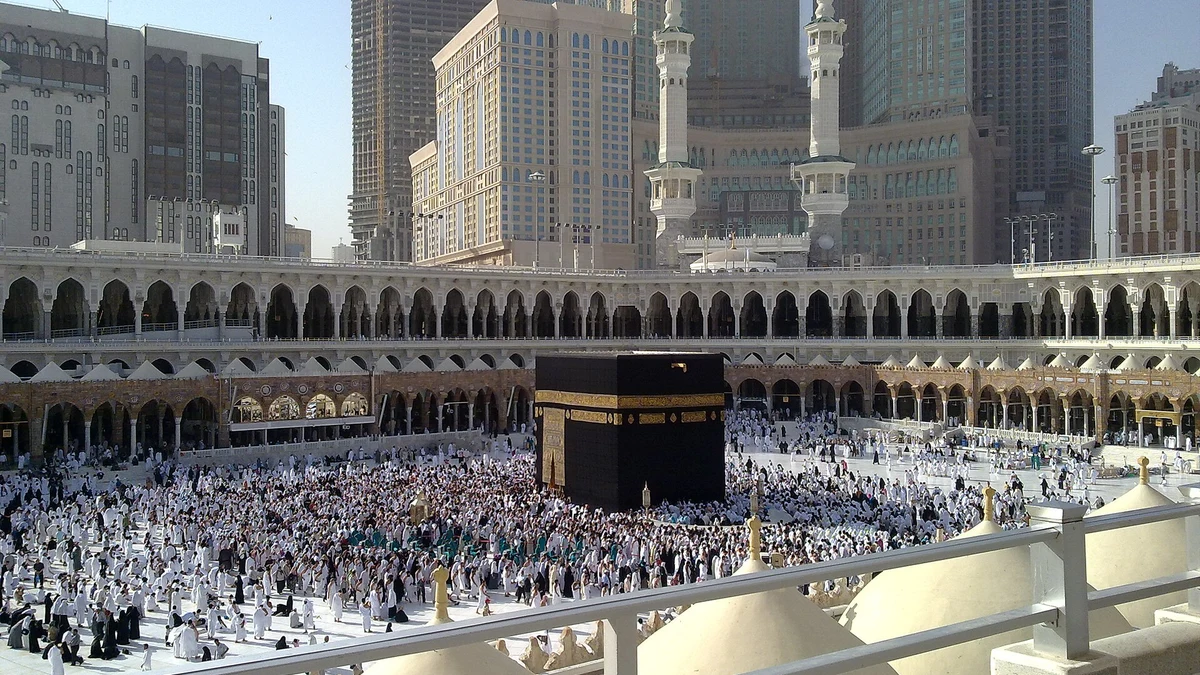
Photo sources: Location photographs are credited under each image and are not representations of our customers, a particular hotel booking or current access routes. Featured photo: Aiman titi, CC BY-SA 3.0. Resized and cropped for this guide.
Photographs retain their linked licences.
Written by Babul Haram Travels Team
Our editorial team writes practical guidance for pilgrims planning Umrah and Hajj from the United Kingdom.
Last reviewed: 19 September 2026
This guide is for general education. For personal rulings or differences between schools of Islamic law, consult a qualified scholar you trust.